I use fermentation to turn idle and waste raw materials into tasty foods
 Dr. Mahmut Genç
Food engineer, fermentation researcher, cofounder of Genç ve Natürel
What I turn into what
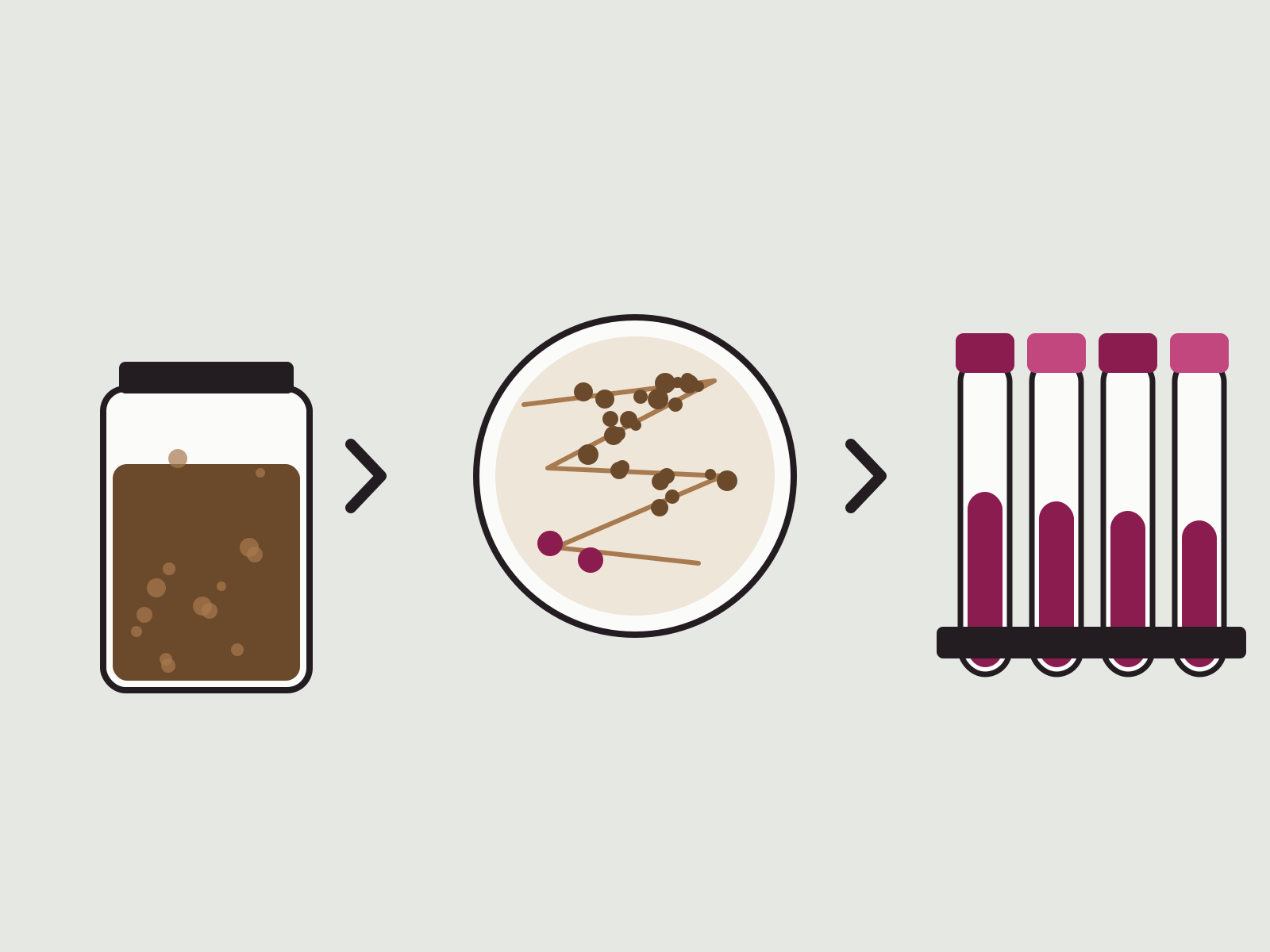
Native starter culture collection
Traditional fermented sources such as şalgam and kvass · Lactic acid bacteria isolation
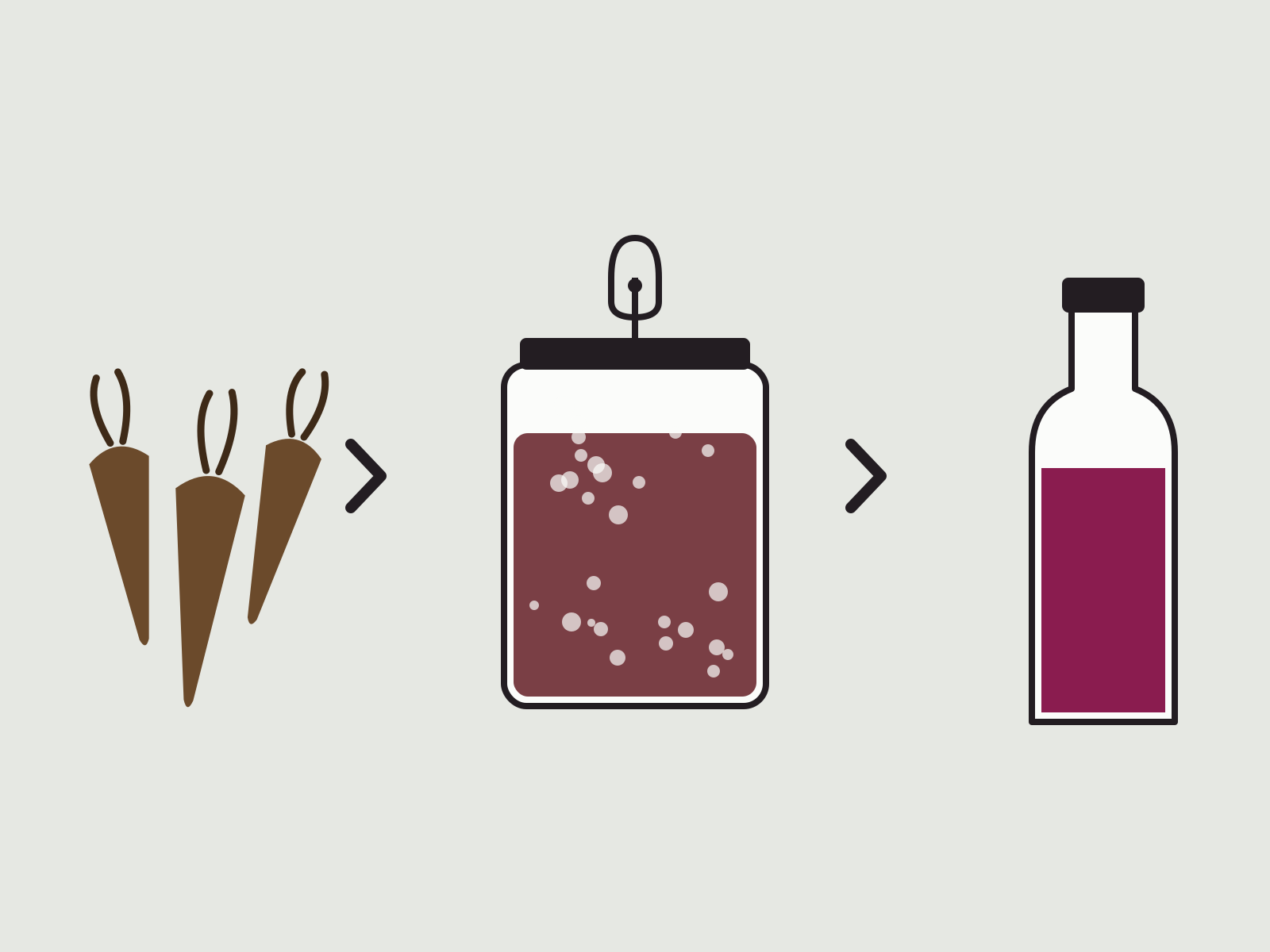
Functional drinks with no added salt or sugar
Vegetable juices · Fermentation with native starter cultures
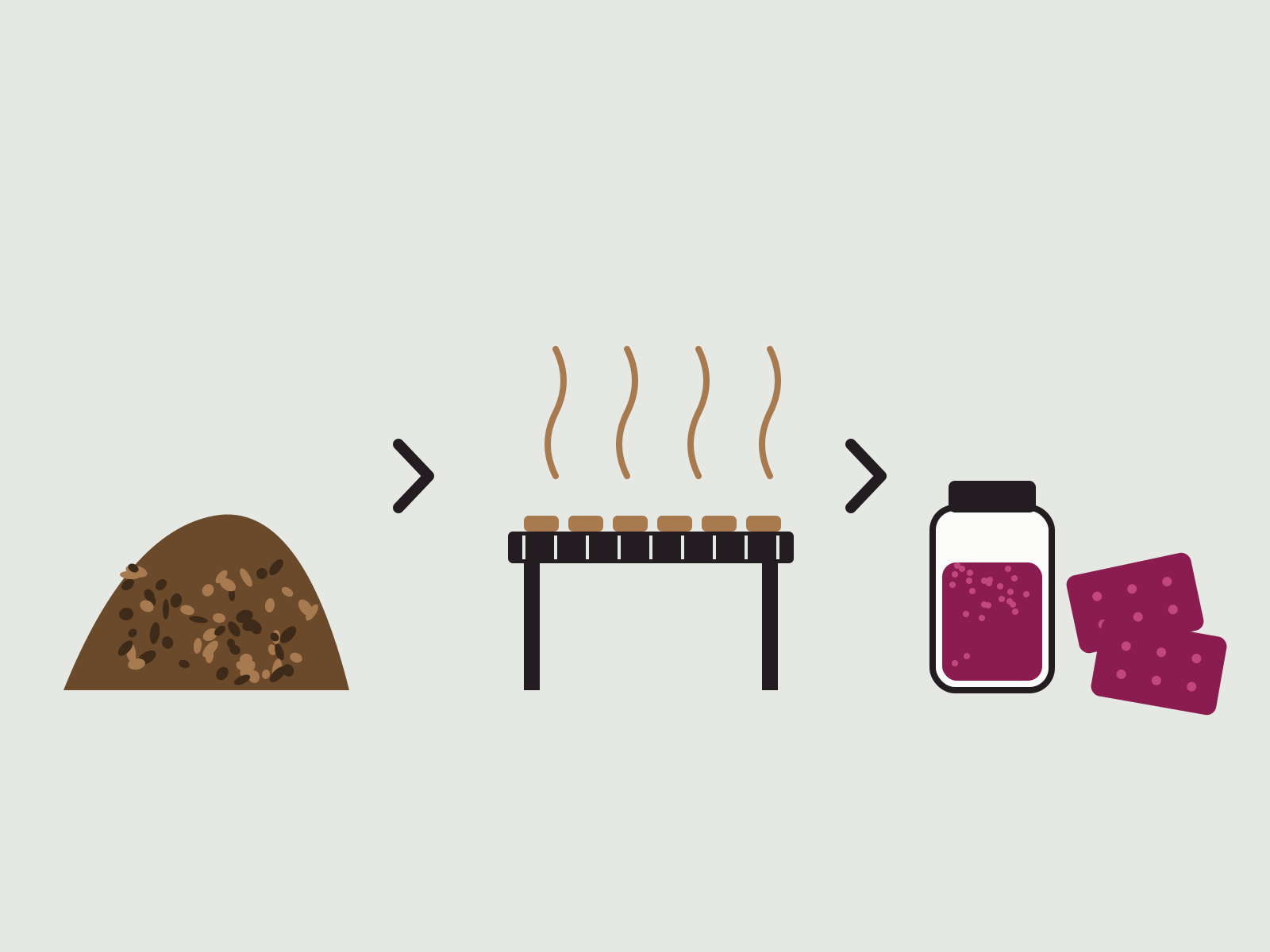
Seasoning powders and crackers
Process residues · Zero waste principle


It is not enough for a food to be good for the planet: if people do not like it, it will not spread. That is why taste is a condition of sustainability for me.
About
I am a food engineer. For more than thirty years I have worked both in universities and in industry. Today I take old fermentation techniques from this part of the world, such as tarhana, şalgam, boza and kvass, back into the lab, and use them to turn idle and waste raw materials into functional food.
In academia
I hold an MSc and a PhD in food engineering from Ege University. My doctoral thesis calculated the carbon footprint and exergy of food products. From 1990 to 2000 I was a research assistant in food chemistry at the same university, working on bread improvers, emulsifiers, sensory analysis and the isolation of starter cultures from fermented products. My first papers on fermentation were about starter cultures in boza and the rheology of boza. From 2018 to 2022 I was an assistant professor in the Gastronomy and Culinary Arts Department at Beykoz University, teaching and running research projects.
In industry
I have worked in almost every link of the food value chain. In each of them, quality and product development were at the centre of my work:
- Manufacturing, Unilever: shift engineer in a margarine and culinary factory; development projects such as Sana Ekmeküstü and Becel Zeytinyağlı.
- Capital equipment, Tetra Pak: engineering and commissioning of processing line projects in Turkey and the Caucasus.
- Certification, Bureau Veritas: management system certification in Turkey and the Caspian countries; the Yeşillenen Oteller green hotel scheme, the first ISO 50001 energy management certificate in Turkey, and a local carbon verification team.
- Foodservice, Burger King: supplier quality assurance in fourteen countries and product development with more than seventy suppliers; development and global launch of a shortening free of trans fat.
- Retail, Kipa (Tesco): head of the technical team responsible for the quality, legal compliance and new product development of more than 2800 own label products.
In 2017 I brought this experience to Genç ve Natürel, which we founded at İzmir DEPARK. There, food engineers and bioengineers work at the same table as chefs.





My approach
To me, food security should come from local resources and a circular bioeconomy.
I try to build solutions with a low technological barrier.
Research
My research focuses on solid state fermentation (SSF), lactic and propionic acid bacteria, moulds and enzyme activity. The shared aim: using fermentation to raise the nutritional value, safety and taste of low value or unused raw materials.
Native starter cultures and functional drinks

Isolating lactic acid bacteria from traditional fermented sources (şalgam, kvass and similar), building a culture collection, and developing functional vegetable juice drinks with no added salt or sugar. Following a zero waste principle, process residues become byproducts such as seasoning powders and crackers.
Interests
Food enzymes (e.g. myrosinase), the place of fermented foods in human evolution, sustainable food systems policy.
Projects
| Project | Programme | Status |
|---|---|---|
| Fully fermented breakfast cereal (healo) | TÜBİTAK TEYDEB 1507 | Completed |
| Starter cultures and fermented product development | Contract industrial R&D | Ongoing |
Client names in industry collaborations are not shared.
Publications
A current list of my publications:
Selected publications:
- Akgün, B., Genç, M., Genç, S., et al. (2022). Impact of aqueous extracts of Turkish wild edible plants on acrylamide formation in potato crisps. Journal of Food Quality and Hazards Control. doi.org/10.18502/jfqhc.9.2.10643
- Altin, G., Bildik, F., Kasapoğlu, K. N., Genç, S., Genç, M., Özçelik, B. (2021). Identification of the functional food potency of Çalkama: A traditional recipe with edible Mediterranean wild greens from Turkish cuisine. Mediterranean Journal of Nutrition and Metabolism, 14(2), 207-218. doi.org/10.3233/MNM-200525
- Temel Eginli, A., Genç, M., Genç, S., Ülkü, B. (2020). Somut olmayan kültürel mirasın geleneksel ekolojik bilgi ile nesiller arası aktarımının incelenmesi: Tarhana örneği. [Examining the transfer of intangible cultural heritage with traditional ecological knowledge between generations: The example of tarhana.] Journal of Tourism and Gastronomy Studies, 8(4), 3067-3089. doi.org/10.21325/jotags.2020.752
- Genc, M., Genc, S., Goksungur, Y. (2017). Exergy analysis of wine production: Red wine production process as a case study. Applied Thermal Engineering, 117, 511-521. doi.org/10.1016/j.applthermaleng.2017.02.009
- Zorba, M., Hancioglu, O., Genc, M., Karapinar, M., Ova, G. (2003). The use of starter cultures in the fermentation of boza, a traditional Turkish beverage. Process Biochemistry, 38(10), 1405-1411. doi.org/10.1016/S0032-9592(03)00033-5
- Genç, M., Zorba, M., Ova, G. (2002). Determination of rheological properties of boza by using physical and sensory analysis. Journal of Food Engineering, 52(1), 95-98. doi.org/10.1016/S0260-8774(01)00092-9
Contact
Email: mahmut@genc.email